April 3, 2026
The connection between clean carpets and indoor air quality is often overlooked by many homeowners. Carpets add warmth, comfort, and style to a living space, but they also act as filters that collect dust, allergens, and other airborne particles. Over time, these contaminants accumulate within the carpet fibers and can eventually circulate throughout the home if not properly removed.
Because of this, regular carpet cleaning plays an important role in maintaining a healthy indoor environment. When carpets are left untreated for long periods, they can trap pollutants that affect the air people breathe every day. These pollutants may include dust mites, pet dander, pollen, and other microscopic particles that contribute to poor indoor air conditions.
Understanding the relationship between carpets and air quality can help homeowners make informed decisions about maintenance and care. Regular carpet cleaning not only preserves the appearance and lifespan of flooring but also supports a cleaner and healthier living space. By removing contaminants embedded deep within the fibers, proper cleaning can significantly improve the air circulating throughout the home.
How Does Regular Carpet Cleaning Improve Indoor Air Quality?
Carpets naturally collect particles that settle from the air. Dust, pollen, dirt, and pet dander are constantly brought into the home through foot traffic, open windows, and everyday activity. Over time, these particles accumulate within carpet fibers and padding.
Without routine carpet cleaning, these contaminants remain trapped and can be released back into the air when people walk across the floor. Movement on the carpet can disturb these particles and cause them to circulate through the room. This can reduce indoor air quality and make the environment less comfortable for occupants.
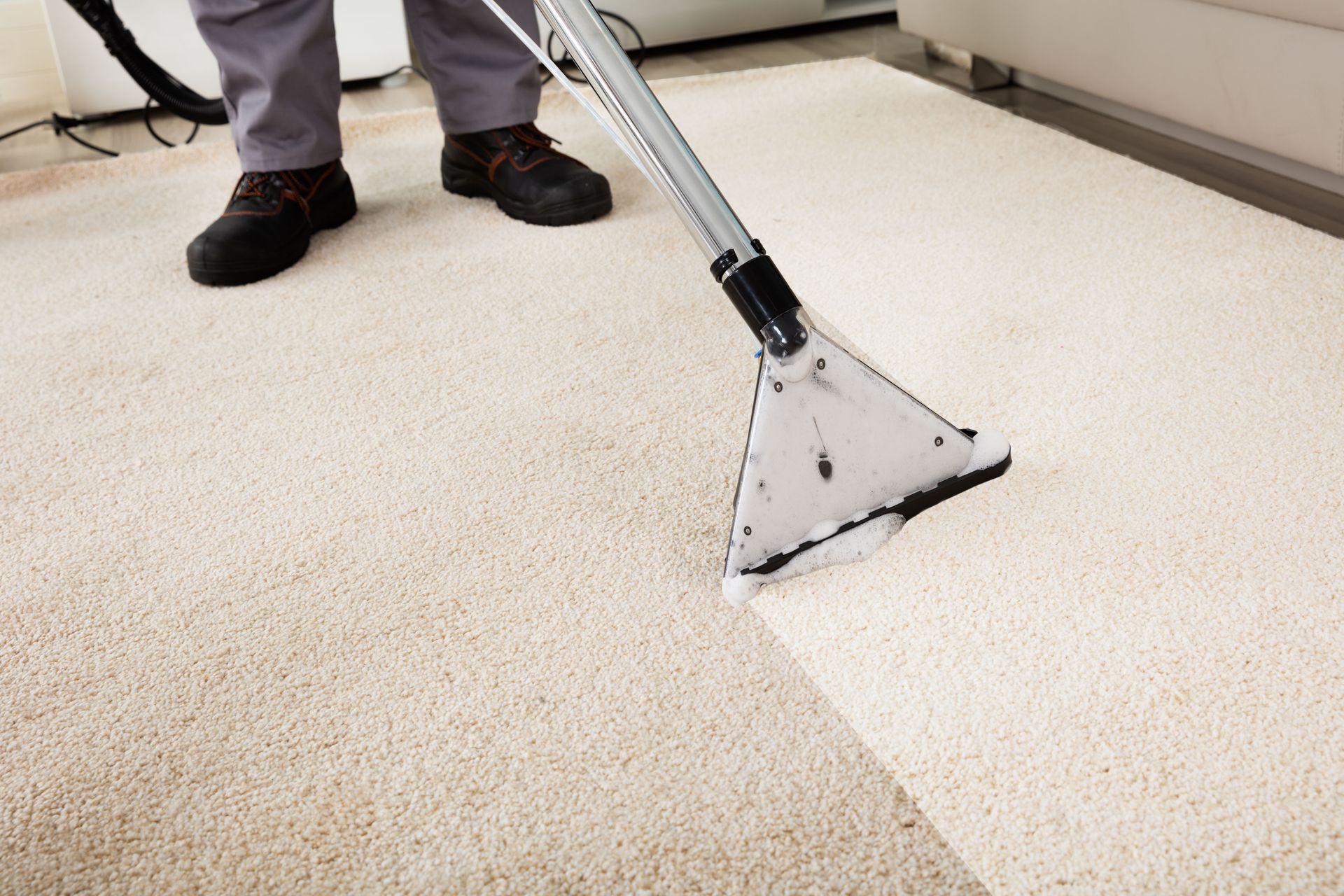
Professional carpet cleaning helps address this issue by removing deeply embedded debris that standard vacuuming may not eliminate. Deep cleaning methods lift dirt and contaminants from the fibers and extract them from the carpet entirely. As a result, fewer particles remain in the home that could potentially become airborne.
Regular carpet cleaning also reduces the presence of dust mites, which thrive in environments where dust and moisture accumulate. These microscopic organisms can contribute to allergic reactions and respiratory discomfort. By maintaining clean carpets, homeowners can significantly lower the amount of allergen buildup in their living spaces.
What Are the Health Benefits of Regular Carpet Cleaning?
Maintaining a consistent carpet cleaning routine can have a noticeable impact on overall health and well-being. Since carpets often hold allergens and irritants, removing these substances can reduce exposure to airborne triggers.
One of the most significant benefits of carpet cleaning is the reduction of allergens such as dust mites, pollen, and pet dander. These particles can aggravate allergies and asthma, especially for individuals who are sensitive to airborne irritants. By eliminating these contaminants from carpet fibers, cleaning helps create a more comfortable indoor environment.
Cleaner carpets also reduce the risk of respiratory irritation. When dust and debris remain embedded in flooring, they can circulate through the air and enter the respiratory system. Routine carpet cleaning helps remove these particles before they become airborne again.
Homes with children or pets may especially benefit from frequent carpet cleaning. Kids and animals spend a significant amount of time on the floor, which increases their exposure to contaminants that settle in carpets. Keeping carpets clean can help create a healthier play environment and reduce the likelihood of contact with harmful particles.
Another advantage of regular carpet cleaning is the removal of bacteria and other microorganisms that may accumulate over time. Dirt and moisture trapped in carpets can provide a favorable environment for microbial growth. Deep cleaning methods help sanitize the carpet surface and eliminate unwanted buildup.
How Often Should Carpets Be Cleaned to Maintain Good Indoor Air Quality?
Determining the right schedule for carpet cleaning depends on several factors, including the size of the household, the presence of pets, and general indoor activity levels. However, most experts recommend professional cleaning at regular intervals to maintain a healthy indoor environment.
According to The Spruce, carpets should be professionally cleaned approximately every 12 to 18 months in order to remove deep soil and grime embedded in the fibers. While regular vacuuming helps control surface debris, professional carpet cleaning reaches deeper layers where contaminants tend to accumulate.
Homes with pets, children, or heavy foot traffic may benefit from more frequent carpet cleaning. Pet hair and dander can quickly become trapped in carpet fibers, while daily activity brings additional dirt indoors. In these cases, scheduling cleaning once or twice a year may be particularly beneficial.
Seasonal factors can also influence how often carpets should be cleaned. During spring and summer, pollen levels tend to increase, which can lead to greater accumulation of allergens inside the home. Regular carpet cleaning during these periods can help reduce the presence of airborne irritants.
Vacuuming at least once or twice a week can help maintain carpet cleanliness between professional services. However, vacuuming alone cannot remove deeply embedded particles that settle into the carpet padding. Periodic carpet cleaning ensures that these hidden contaminants are removed before they impact indoor air quality.
Establishing a consistent cleaning routine can help maintain both the appearance of carpets and the quality of the air within the home.
What Methods of Carpet Cleaning Are Most Effective for Enhancing Air Quality?
Different carpet cleaning techniques are available, and some methods are more effective than others when it comes to improving indoor air quality. Choosing the right approach can make a significant difference in how thoroughly contaminants are removed from carpet fibers.
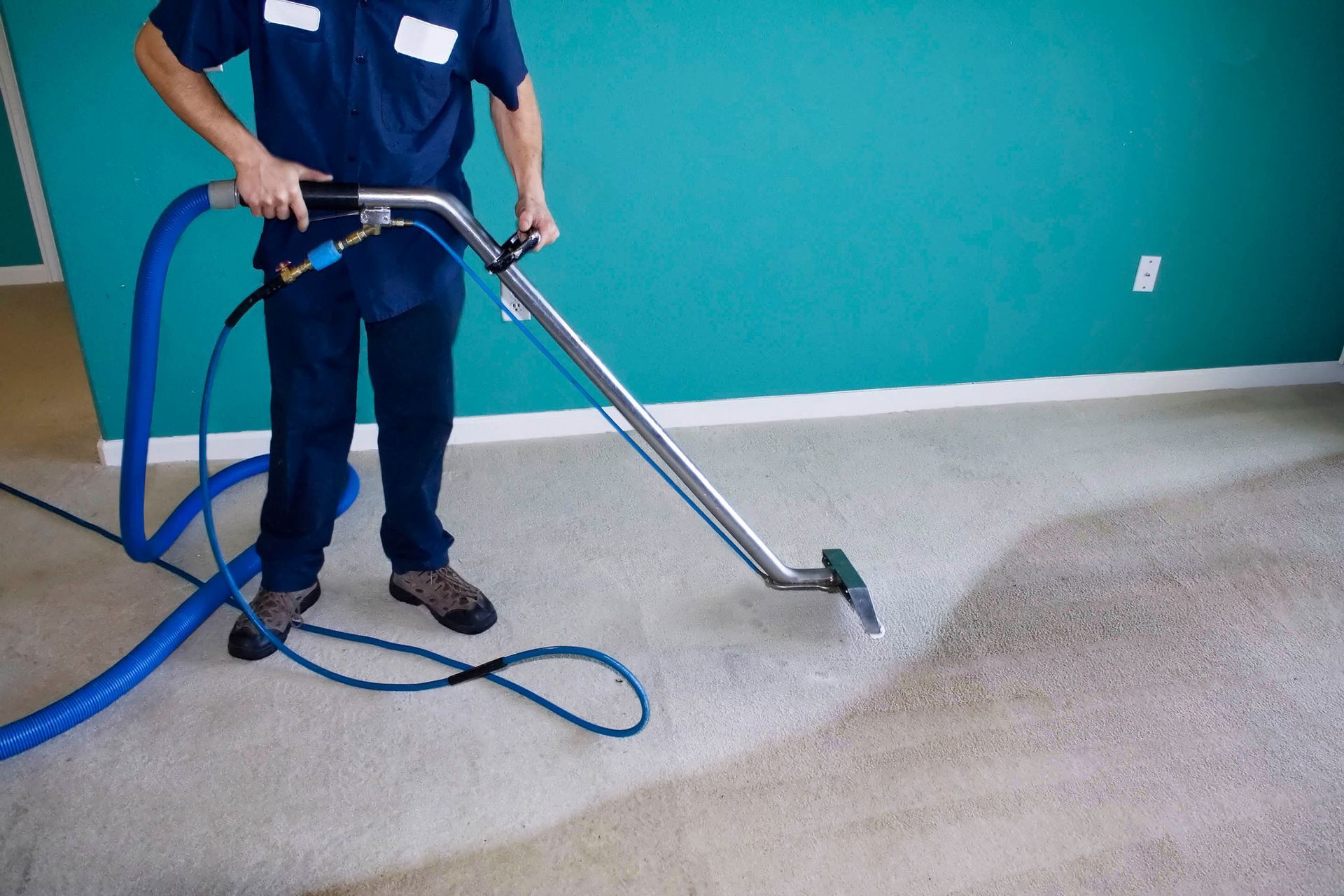
One of the most widely recommended techniques is hot water extraction, often referred to as steam cleaning. This method uses heated water combined with cleaning solutions to break down dirt and debris embedded in the carpet. The system then extracts the water along with the loosened contaminants.
Steam carpet cleaning is particularly effective because it penetrates deep into the carpet fibers and padding. The combination of heat, moisture, and suction helps remove particles that ordinary cleaning methods may leave behind. This deep cleaning process can significantly reduce allergens and improve the overall cleanliness of the carpet.
Another option is dry carpet cleaning, which uses specialized compounds or low-moisture techniques to lift dirt from the fibers. While this approach may be faster and require less drying time, it may not always remove deeply embedded contaminants as effectively as steam cleaning.
Encapsulation cleaning is another method that uses specialized cleaning solutions that crystallize around dirt particles. Once the solution dries, the particles can be vacuumed away. This technique is commonly used for maintenance cleaning but may not provide the same deep cleaning benefits as more intensive methods.
Can DIY Carpet Cleaning Solutions Affect Indoor Air Quality?
Many homeowners attempt DIY carpet cleaning using rented equipment or store-bought cleaning solutions. While these methods can provide some level of surface cleaning, they may not always produce the same results as professional services.
One potential issue with DIY carpet cleaning is the use of excessive water or cleaning chemicals. If carpets are not properly rinsed and dried, leftover moisture can remain trapped within the fibers. This can create conditions where mold or mildew may develop, which can negatively affect indoor air quality.
Additionally, some household cleaning products contain strong fragrances or chemical ingredients that may irritate sensitive individuals. When these substances linger in the carpet fibers, they may release odors or volatile compounds into the air.
Improper extraction is another challenge associated with DIY carpet cleaning. Rental machines often lack the suction power needed to remove deeply embedded dirt and moisture. As a result, contaminants may remain in the carpet even after cleaning.
That said, light maintenance between professional services can still be beneficial. Spot cleaning spills promptly and vacuuming regularly can help control surface debris and prevent stains from setting into the carpet fibers.
Regular
carpet cleaning plays a vital role in maintaining healthy indoor air quality. By removing dust, allergens, and contaminants trapped in carpet fibers, homeowners can create a cleaner and more comfortable living environment. Establishing a consistent cleaning routine helps reduce airborne irritants and supports better overall health, making carpet care an important part of maintaining a healthy home. If you need professional carpet cleaning, reach out to the professionals at Aim Carpet & Air Duct Cleaning today!